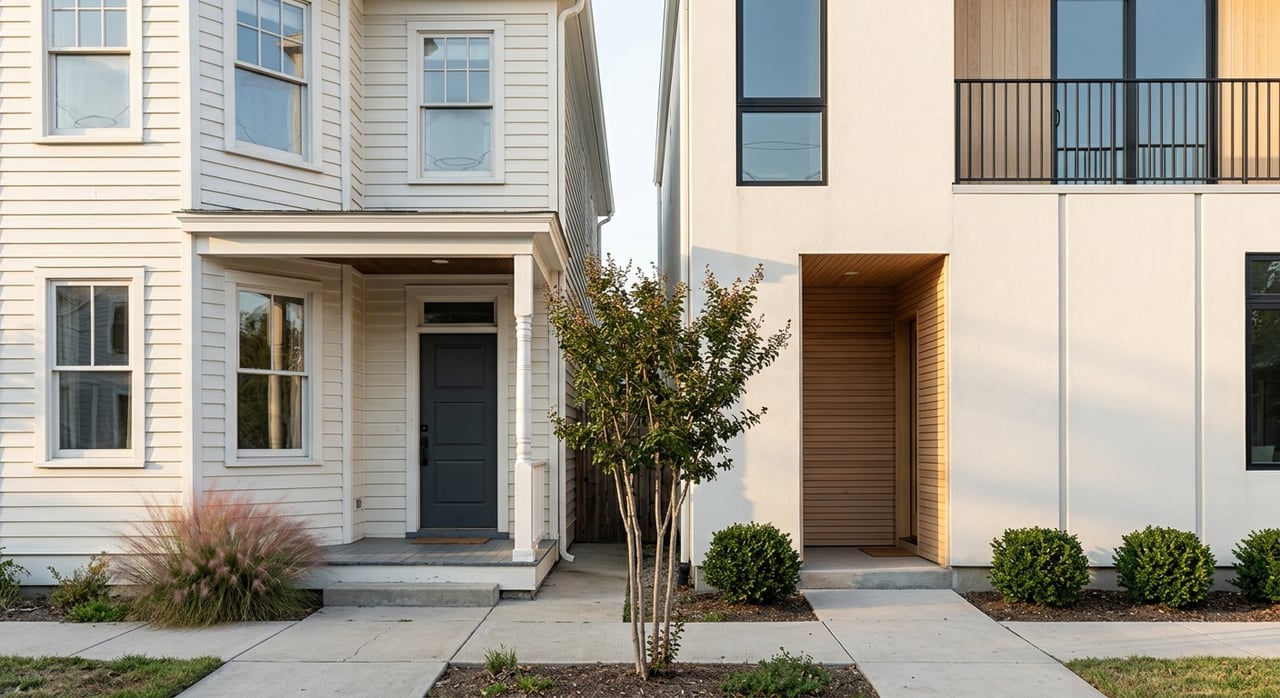
Trying to decide between a character-filled older home and a sleek new build in Greater Third Ward? You are not alone. This neighborhood gives buyers a real choice between preserved homes with history and contemporary infill designed for today’s lifestyles. If you are weighing charm, layout, maintenance, and long-term fit, this guide will help you compare both paths with more confidence. Let’s dive in.
Greater Third Ward Offers Two Distinct Paths
Greater Third Ward is one of Houston’s oldest African American neighborhoods and remains anchored by major community institutions like Texas Southern University, Emancipation Park, Riverside Hospital, and the Eldorado Ballroom. The City of Houston also notes that the neighborhood is changing, with new homes and new investment arriving while historic fabric faces pressure from demolition and displacement.
That mix is exactly why the home search here can feel more layered than in a more uniform neighborhood. You are not simply comparing price tags. You are often comparing different eras of construction, lot sizes, layouts, and maintenance expectations.
The City of Houston’s Third Ward planning efforts also show that this is an active infill area, not just a neighborhood of preserved homes. Historic Third Ward received state cultural-district designation in 2020, and the city is also supporting additional housing production in the area, including a partnership expected to produce 47 affordable homes for buyers up to 120% of area median income.
What Historic Homes Often Look Like
In Greater Third Ward, older homes on the market often trace back to the 1930s and 1940s. Recent examples show one-story or traditional single-family homes, especially in areas like Washington Terrace, often sitting on comparatively larger lots.
These homes tend to attract buyers who value details that are hard to fully replicate in new construction. Listing examples have highlighted features like original hardwood floors, original woodwork, dual fireplaces, and traditional layouts that reflect the home’s era.
At the same time, many historic homes in the neighborhood are not frozen in time. Some have been remodeled or expanded, creating a blend of original character and updated systems, finishes, or added living space. In some cases, a home may even include a detached garage apartment, which changes both function and value.
Historic Home Advantages
If you are drawn to older homes, these are some of the most common benefits seen in current Greater Third Ward inventory:
- Original character such as hardwood floors, fireplaces, and period details
- Larger lot sizes than many newer infill homes
- Traditional layouts that may feel more familiar or distinct
- Renovation potential in homes that have not been fully updated
- A sense of architectural history tied to the neighborhood’s long-established fabric
Historic Home Tradeoffs
That appeal comes with practical considerations. Older homes often include a mix of original and updated components, which means condition can vary widely from one property to another.
You may need to budget for more near-term or ongoing maintenance than you would with a newer home. Older homes can also lag behind newer construction in insulation and air sealing, which can affect comfort and efficiency.
What New Homes Often Look Like
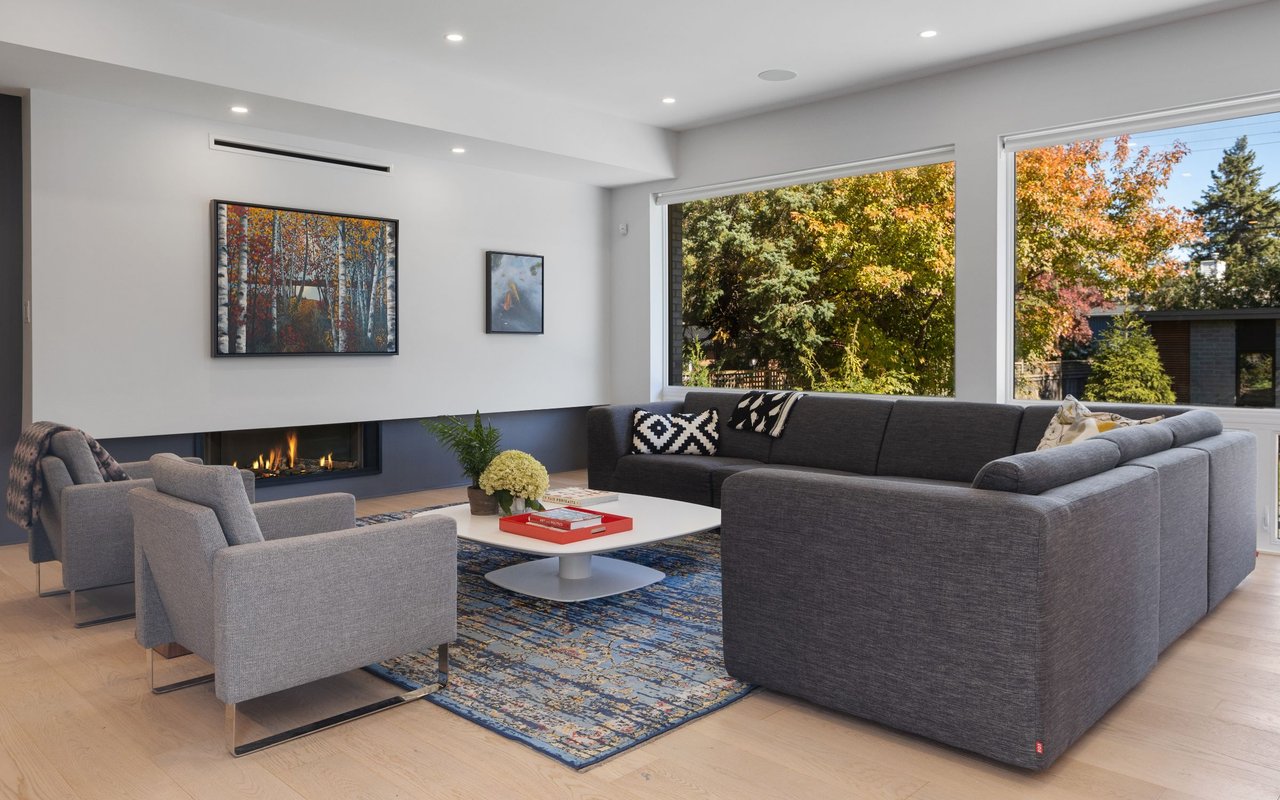
Newer infill in Greater Third Ward tends to be more contemporary and vertical. Recent examples include three-story homes and townhomes with open-concept living, more bathrooms, attached two-car garages, and features like EV charging capability.
This newer product often reflects how many buyers want to live today. You may see first-floor bedrooms, second-floor living spaces, updated finishes, and layouts designed to maximize interior square footage on smaller lots.
While each builder and project differs, current inventory patterns point to a fairly consistent profile. New construction in Greater Third Ward often emphasizes convenience, modern systems, and lower near-term maintenance, while giving up some yard space and a more traditional floor plan.
New Construction Advantages
If you are considering a newer home, these are some of the most common strengths:
- Open-concept layouts built around modern living patterns
- More bathrooms than many older homes of similar size
- Attached parking that adds day-to-day convenience
- Newer systems and components with a more predictable near-term maintenance profile
- Contemporary design with updated finishes and vertical floor plans
New Construction Tradeoffs
The biggest tradeoff is often the lot. Many newer infill homes in Greater Third Ward sit on smaller parcels than older homes.
You may also need to be comfortable with a taller, more vertical layout. For some buyers, stairs are no issue. For others, a one-story or more traditional floor plan feels more practical.
Price Is More About Condition Than Age
One of the biggest misconceptions in Greater Third Ward is that older always means cheaper and newer always means more expensive. The current inventory does not support that simple view.
Recent examples show renovated historic homes ranging from about $250,000 to $285,000 for smaller updated properties, while larger remodeled historic homes with features like a garage apartment have ranged roughly from $627,000 to $717,000. Newer infill examples have sold or listed around $370,000 to $420,000, with other examples around $399,999 and $520,000.
That spread tells you something important. In Greater Third Ward, pricing is often driven more by condition, square footage, lot size, parking, and the scope of renovation or builder finish than by age alone.
How To Decide Which Home Type Fits You
There is no one right answer. The better question is which tradeoffs fit your priorities, budget, and tolerance for future work.
A renovated historic home may suit you if you care most about character, lot size, and a more established architectural feel. It may also be a better fit if you are comfortable managing older-home maintenance and understand that updates can be a mix of old and new.
Newer infill may suit you better if you want open living space, more baths, attached parking, and a layout built around modern routines. It can also appeal to buyers who want more predictability in the first few years of ownership.
Quick Comparison
Feature | Historic Homes | New Infill Homes |
|---|---|---|
Typical era | 1930s to 1940s | 2023 to 2025 examples |
Layout style | One-story or traditional | Vertical, often 3-story |
Lot size | Often larger | Often smaller |
Design appeal | Original details and character | Contemporary finishes and open plans |
Parking | Varies | Often attached garage |
Maintenance profile | May require more upkeep | Typically more predictable near term |
Due Diligence Matters More Than The Debate
Whether you buy old or new, your decision should be grounded in inspection and property-specific facts. In Texas, the Texas Real Estate Commission says inspectors must follow the Standards of Practice and provide a mandatory inspection report. The agency also warns that walkthrough inspections can miss important safety or condition issues.
That makes a full Texas inspection your starting point, not an optional extra. After that, the age of the home and the findings in the report should guide any added testing or follow-up.
Priorities For Older Homes
If you are buying an older home in Greater Third Ward, there are two extra issues worth close attention.
First is lead-based paint. The EPA says the older the home is, the more likely it contains lead-based paint, and the federal disclosure rule applies to most pre-1978 housing. If you want certainty before renovation, the EPA recommends using a certified inspector or risk assessor.
Second is energy performance. The U.S. Department of Energy says many older homes have less insulation than homes built today. A home energy assessment can help identify insulation and air-sealing needs before upgrades are made.
Priorities For New Homes
New construction can reduce some maintenance surprises, but it still needs careful review. A full inspection can help you identify issues that may not be obvious during a showing, even in a recently completed home.
You will also want to look closely at how the layout fits your actual life. A stylish vertical floor plan, open living area, or attached garage may sound ideal on paper, but the daily experience matters just as much as the feature list.
Think About Lifestyle, Not Just Features
The best choice often comes down to how you want to live in the home every day. A larger yard and one-story layout may matter more to you than new finishes. Or you may prefer the convenience of attached parking, newer systems, and open living spaces even if that means less outdoor space.
It also helps to think beyond move-in day. If you choose a historic home, are you ready for the learning curve that can come with older materials and systems? If you choose new infill, are you comfortable with the tighter lot and more vertical design that often define this product type in Greater Third Ward?
When you compare homes through that lens, your options usually become clearer. Instead of asking which type is better, you can ask which one better supports your routine, budget, and comfort level.
If you are exploring Greater Third Ward, it helps to work with a team that understands both neighborhood history and today’s infill market. Kimberly Lane Properties Group at Compass brings a grounded view of Houston’s inner-loop housing patterns and can help you evaluate what truly fits your goals.
FAQs
What types of homes are common in Greater Third Ward?
- Greater Third Ward commonly features older 1930s and 1940s single-family homes alongside newer contemporary infill homes and townhomes, often with very different layouts, lot sizes, and finish levels.
Are historic homes in Greater Third Ward always less expensive than new homes?
- No. Recent listings show both historic and newer homes across a wide price range, with pricing often driven more by condition, square footage, lot size, parking, and renovation or finish quality than by age alone.
What should buyers inspect in an older Greater Third Ward home?
- Start with a full Texas inspection, then consider added review for lead-based paint in most pre-1978 homes and an energy assessment if you want to better understand insulation and air-sealing needs.
What are the main benefits of new construction in Greater Third Ward?
- Newer homes in Greater Third Ward often offer open-concept living, more bathrooms, attached garages, newer systems, and a more predictable near-term maintenance profile.
How do I choose between a historic and new home in Greater Third Ward?
- Focus on your priorities, including layout, lot size, maintenance comfort, parking, and how you want the home to function day to day. The better fit depends on your lifestyle and budget, not just the home’s age.