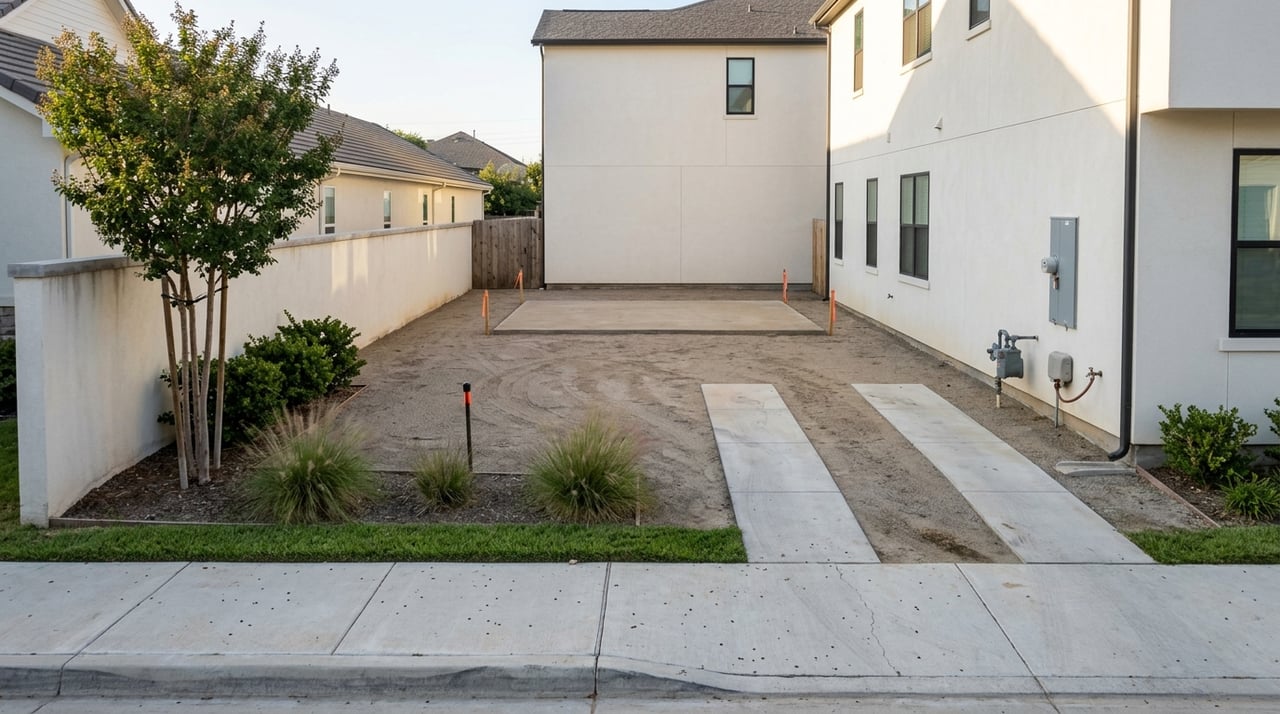
If you are getting ready to sell land or an older property in Greater Third Ward, one thing can make a big difference fast: how easy you make it for an infill buyer to evaluate the site. In this part of Houston, buyers are often less focused on traditional zoning and more focused on records, restrictions, utilities, flood risk, and whether the parcel can move through the next steps without surprises. When you prepare those details in advance, you help serious buyers underwrite the opportunity faster and with more confidence. Let’s dive in.
Why infill buyers look closely at paperwork
Greater Third Ward is an inner-loop Houston neighborhood with a strong historic identity, centered around Emancipation Park and anchored by the University of Houston and Texas Southern University. That location continues to attract attention from buyers looking at redevelopment and neighborhood-scale infill opportunities.
For many of those buyers, the first question is not, “What is this property used for today?” The real question is often, “Can this site be documented, serviced, and permitted clearly enough to move forward?” If your file is incomplete, a buyer may slow down, lower an offer, or move on to another site.
Houston development rules matter
Houston does not use zoning
Houston does not have traditional use-based zoning. Instead, land development is governed through ordinance codes that address subdivision and related rules.
That means a buyer in Greater Third Ward will usually look past a simple label for the property and focus on the practical items that shape redevelopment. These can include subdivision status, building lines, access, parking considerations, and whether the parcel may need a replat or other review.
Deed restrictions can shape the deal
Deed restrictions are not the same across Houston. They can vary by subdivision, and sometimes even by section or lot.
That is why one of the smartest things you can do before listing is gather the exact recorded restrictions that apply to your parcel. If there is any uncertainty about permitted use, lot size, setbacks, orientation, number of structures, or amendment rules, it is better to address that before a builder or investor starts underwriting the site.
Site review is often detail-driven
When a site is evaluated for new construction or a replat, the City may review items such as parking, tree and shrub requirements, setbacks, and access. Houston’s Planning and Development Department also checks plats for the proper subdivision of land, street or right-of-way issues, and building lines.
For you as a seller, this matters because buyers want to see whether the path forward is straightforward. A property that is easier to understand is often easier to market.
Build a clean property file
A well-organized records packet can save time for everyone involved. It also signals that you understand the needs of an infill buyer and are serious about a clean transaction.
Harris County property records are spread across several places, including the County Clerk for deeds, HCAD for appraisal records and property maps, and the tax office for tax statements and receipts. Because those records live in different systems, buyers often appreciate when a seller pulls the most important items together up front.
What to include in your records packet
Start with the documents that define the property and show its legal framework:
- Recorded deed and legal description
- Recorded subdivision plat
- Any replats or plat amendments
- Recorded easements
- Current survey or site plan
- Tax statements or a current HCAD printout
- Exact recorded deed restrictions
- Any amendments to deed restrictions
- Any POA documents, if they apply
- Prior permit approvals, if available
This kind of file gives a buyer a faster way to verify basic facts. It can also reduce back-and-forth during early diligence.
Plat details can affect timing
For plat-related questions, Harris County Platting staff asks owners to provide relevant review information such as the HC Project number, HCAD number, address, site plan, deeds, or survey when determining whether a project requires a plat. That is a strong clue about what matters most during early site review.
A recorded plat is an official map that identifies the layout and recorded use of a property. If your property has a recorded plat, replat history, or easements that affect access or buildable area, having those ready can help buyers evaluate the site more efficiently.
Utilities can make or break momentum
In many infill transactions, utility questions become major diligence items early in the process. Buyers want to understand not just whether utilities exist, but whether the site’s service story is clear and documented.
Water service records matter
Houston Public Works maintains a water service line inventory map and encourages customers to self-report service line material when the material is unknown. The City also conducts inspections to complete its inventory.
For a buyer, this information can help clarify whether the existing water service line is known, unknown, lead, galvanized steel, copper, or plastic. If you already know the service line material or have records tied to utility service, include them in your file.
Keep utility paperwork together
If the property has needed utility work in the past, keep copies of water-service applications, letters, permits, file numbers, and related documents. Houston Public Works notes that these records can help establish service.
The City’s water service guidance also notes that service letters may be used to administer changes in service. For sewer-related extensions, utility analysis guidance requires a wastewater capacity reservation letter of availability and a signed job contract listing at least water or sewer amounts. Even if your site is not there yet, existing utility records can help a buyer assess what comes next.
Flood and drainage information is essential
Flood information is one of the first things many infill buyers review in Houston. A missing flood document package can create delay, while a prepared seller can make the process much smoother.
Start with the official flood sources
Houston’s Floodplain Management Office is responsible for permitting construction in the City’s Special Flood Hazard Area and issues floodplain development permits for work in the 500-year floodplain, 100-year floodplain, and floodway. The office also provides flood zone determinations, floodplain maps, and flood insurance information.
FEMA’s Flood Map Service Center is the official source for flood risk products such as flood insurance rate maps and flood insurance study reports. Buyers often want to see those official references during diligence.
Include any existing flood documents
The City notes that a property can be outside the mapped floodplain and still face risk from local drainage or street flooding. That is why a simple flood-zone label does not always answer every concern.
If you already have flood-related materials, add them to your package. Helpful items may include:
- Flood map output
- Floodplain determination
- Elevation certificate, if available
- Letters of Map Change, if they exist
Best steps before you market the site
The most sale-ready properties are usually the ones that clearly show what the parcel is, what limits apply, and how the site will be served. That does not mean solving every development question yourself. It means preparing the facts a buyer is likely to request first.
A simple pre-listing checklist
Before you invite offers, try to complete these steps:
- Gather the recorded deed and legal description.
- Pull the recorded plat, plus any replats or amendments.
- Locate recorded easements that affect the parcel.
- Confirm the exact deed restrictions and any amendments.
- Assemble a current survey or site plan.
- Collect tax statements or a current HCAD record.
- Add prior permits or approval documents, if available.
- Organize utility records and service-related paperwork.
- Pull flood maps and any existing floodplain documentation.
- Identify any issue that needs review by a private attorney, surveyor, engineer, or other licensed professional.
Resolve uncertainty early
The City is clear that its attorneys cannot give private legal advice or interpret deed restrictions for individual owners. Many floodplain, permitting, access, and utility questions also depend on site-specific technical review.
If your property has an unclear restriction, drainage issue, legal question, or utility concern, it is usually better to address it before marketing the property aggressively. Early clarity often leads to stronger conversations with serious buyers.
Why preparation can improve your sale process
When an infill buyer sees an organized, fact-based package, the property feels more actionable. That can help reduce uncertainty during the early review stage, which is often where deals lose momentum.
It can also improve how your property is positioned in the market. Instead of selling only a location, you are presenting a site with a clearer path for diligence.
For Greater Third Ward sellers, that matters. In a neighborhood where buyers often focus on redevelopment potential, preparation is not just a nice extra. It is part of the marketing strategy.
If you are thinking about selling a Greater Third Ward property to a builder, investor, or redevelopment-minded buyer, a disciplined prep process can help you present the opportunity with more confidence. To plan your next steps, book a strategy call with Kimberly Lane Properties Group at Compass.
FAQs
What should Greater Third Ward sellers gather before listing for infill buyers?
- Sellers should gather the recorded deed, legal description, plat, any replats or amendments, easements, current survey or site plan, tax records, deed restrictions, and any prior permit, utility, and flood documents available.
Does Houston zoning affect Greater Third Ward infill property sales?
- Houston does not have traditional use-based zoning, so buyers often focus more on subdivision rules, deed restrictions, access, setbacks, utility service, and plat-related issues.
Why do deed restrictions matter for Greater Third Ward properties?
- Deed restrictions can vary by subdivision, section, or lot, and they may affect use, setbacks, number of structures, orientation, lot size, or amendment rules.
Where can Greater Third Ward owners check deeds, plats, and tax records?
- Owners typically check deeds through the Harris County Clerk, appraisal records and maps through HCAD, and tax statements and receipts through the tax office.
What flood documents help Greater Third Ward infill buyers review a property?
- Useful flood documents can include flood map output, a floodplain determination, and any existing elevation certificate or Letters of Map Change tied to the property.
Why do utility records matter when selling a Greater Third Ward infill site?
- Utility records can help a buyer understand existing service, water line material, and whether supporting documents already exist for future service changes or utility review.