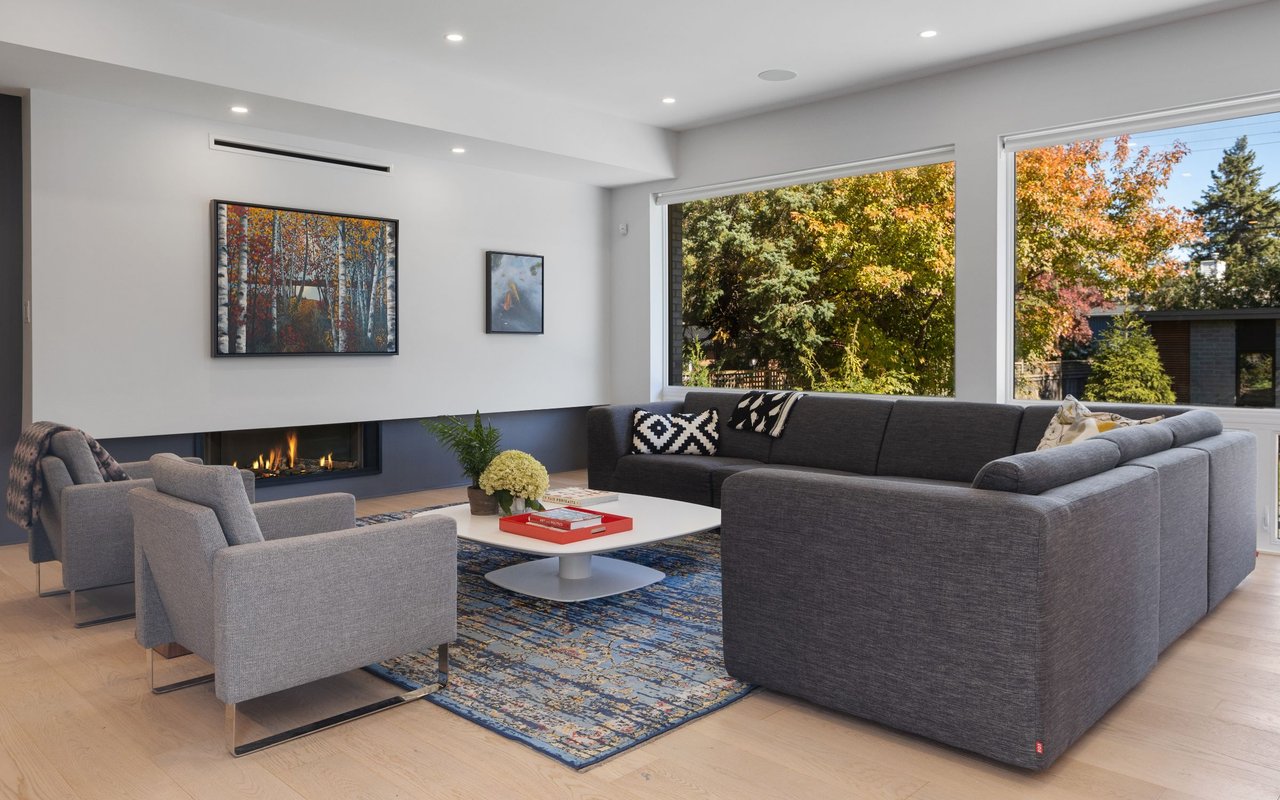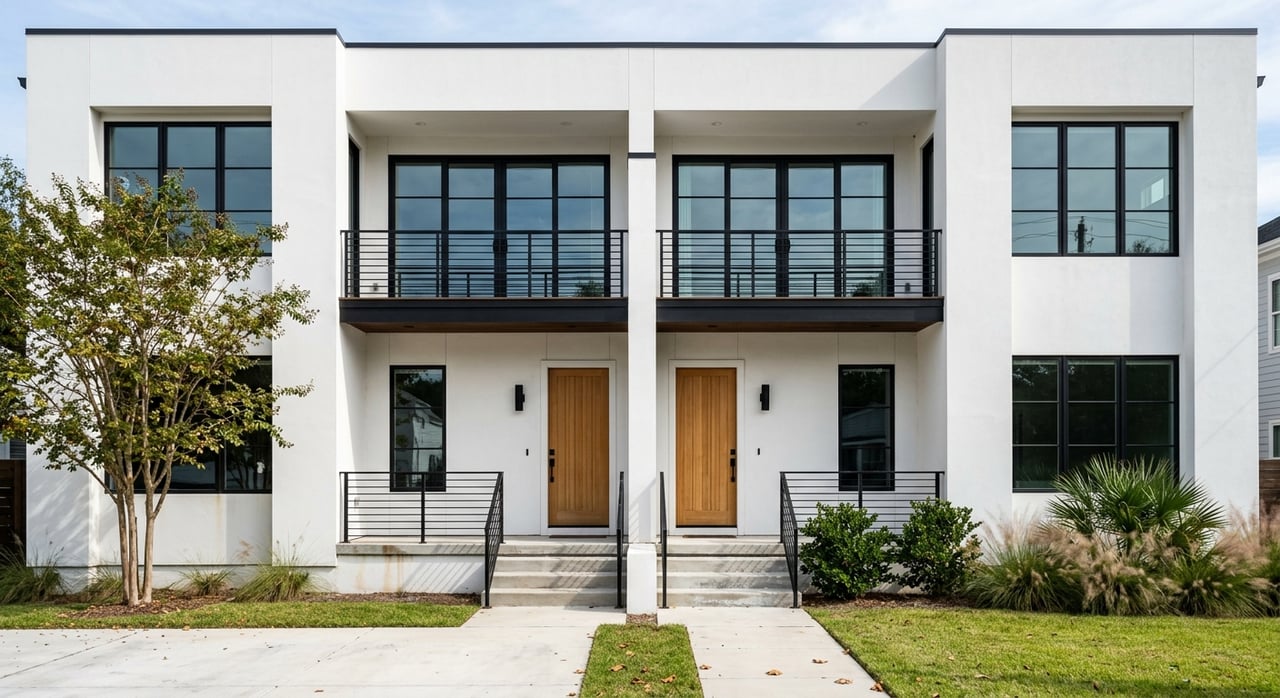
Choosing between a single-family home and a duplex in Northeast Houston can feel simple at first, until you realize the decision affects your budget, privacy, future plans, and even how a lender views the property. If you are weighing both options, you are not just picking a floor plan. You are deciding how you want to live now and what kind of flexibility you may want later. This guide will help you compare the tradeoffs that matter most in Northeast Houston and show you the local factors that can shape the right move for you. Let’s dive in.
Northeast Houston market snapshot
In May 2026, Northeast Houston showed 5.2 months of inventory, an average of 46.6 days on market, and a median sold price of $214,424. That points to a more balanced market, which can give you a little more room to negotiate than in a tighter market.
That said, broad market numbers only tell part of the story. When you compare a detached single-family home with a true duplex, value can shift from block to block based on condition, layout, flood risk, deed restrictions, and rental potential. In other words, local comps matter more than area-wide averages.
Single-family vs duplex basics
A duplex is generally a two-unit residential property with two separate dwelling units on one property. A single-family home is usually a detached home designed for one household. That difference sounds straightforward, but it changes how you live in the property and how the property may perform financially.
For many buyers, a single-family home feels easier to manage. You usually get more privacy, fewer shared-site decisions, and a simpler ownership experience. A duplex often adds another layer because you may share walls, parking, yard space, or maintenance responsibilities with another household.
Why buyers choose single-family homes
If your top priorities are privacy and simplicity, a detached home often has the edge. You are less likely to deal with landlord-style questions, and day-to-day living can feel more straightforward.
Single-family homes can also be a better fit if you want a purchase that is easier to understand from the start. You may still need to review flood risk, deed restrictions, and financing details, but the property itself usually comes with fewer moving parts than a duplex.
Single-family advantages
- More privacy in daily living
- Fewer shared-site management issues
- Simpler ownership experience for many buyers
- Often easier to evaluate if you do not plan to rent part of the property
Why buyers consider duplexes
The biggest duplex advantage is flexibility. If you live in one unit and rent the other, that rental income may help offset your monthly housing costs, depending on your loan program and documentation.
A duplex can also create options over time. You might start as an owner-occupant, then later use the property differently as your needs change. That added flexibility is a big reason some buyers are willing to accept more complexity upfront.
Duplex advantages
- Potential rental income from the second unit
- More flexibility for future use
- Possible help with monthly housing costs if lender rules allow rental income to count
- A middle ground between a standard home purchase and a larger multi-unit property
The Houston rule that changes everything
Houston does not use conventional zoning in the way many other cities do. Instead, development is shaped by rules tied to subdivision standards, setbacks, parking, access, and related site issues.
For you, that means the key question is often not whether Houston is generally friendly to duplexes. The real question is what this specific property allows based on its subdivision, plat, and recorded deed restrictions.
The city also notes that a "single-family" designation under Chapter 42 can still include more than one structure in some cases, such as a duplex or a house with a garage apartment under 900 square feet, unless deed restrictions prohibit it. That is why two homes that look similar on paper can have very different future options.
Deed restrictions matter more than labels
In Northeast Houston, a property label alone does not tell you the whole story. A listing may appear flexible, but recorded restrictions can still limit what you can build, add, or reconfigure.
This matters most if you are thinking ahead. If you may want to renovate, add a second dwelling unit, rebuild later, or hold the property for income, you need to know what the restrictions and site rules actually allow before you commit.
Livable Places and future flexibility
Houston’s 2023 Livable Places amendments were designed to expand neighborhood-scale housing options, including second dwelling units and small-scale multi-unit forms. The Planning Department also reviews site plans for parking, setbacks, tree and shrub requirements, and access.
That can be helpful if you are buying with future changes in mind. Still, broader city rules do not override deed restrictions or every neighborhood-specific condition. If flexibility is part of your plan, the details need to be checked property by property.
Flood risk should be part of the comparison
In Houston, flood due diligence should be part of every purchase decision, and it is especially important when you are comparing two different property types. The city’s Floodplain Management Office reviews construction in the 100-year floodplain, 500-year floodplain, and floodway, and city map tools allow flood-hazard searches by address.
For a buyer in Northeast Houston, that means you should compare more than price and layout. Flood zone, elevation, insurance quotes, and permit history can all affect the real cost and long-term usability of a single-family home or duplex.
Financing can be easier for one option
From a lending standpoint, duplexes often involve more questions than detached homes. FHA-insured mortgages are available for 1- to 4-unit properties, and eligible properties may qualify for a down payment as low as 3.5%.
A duplex is still generally simpler than a triplex or fourplex under program rules, but it is not always underwritten the same way as a one-unit home. That is why it helps to understand how the lender will classify the property before you get too far into the process.
Key lender questions to ask
- Will this property be underwritten as a 1-unit or 2-unit primary residence?
- Can rent from the other unit be used to help qualify?
- What rent documentation, lease details, or appraisal forms will be required?
- Are there reserve or occupancy rules that differ from a detached home purchase?
Fannie Mae and Freddie Mac both allow rental income from units not occupied by the borrower in 2- to 4-unit primary residences when documentation requirements are met. Fannie Mae also requires gross monthly rent to be reported for all 2- to 4-unit principal residence properties, even if that income is not used for qualifying.
Tax questions deserve early attention
Tax planning is another area where duplexes can feel more complex. Harris County states that homestead exemptions require owning and occupying the property as your primary residence, and HCAD says residence homestead exemptions apply to most owner-occupied homes in Texas.
If you live in one side of a duplex and rent the other, it is smart to ask a tax professional how that setup affects your exemption and how shared expenses should be tracked. A little clarity early can save confusion later.
Which option fits your goals?
If you want a more straightforward ownership experience, a detached single-family home will usually make more sense. It often wins on privacy, ease of use, and fewer ongoing decisions.
If you want income potential or more future flexibility, a duplex may be worth the extra review. In Northeast Houston, though, the right answer often comes down to deed restrictions, flood risk, financing details, and property-specific comps, not just the word "duplex."
A smart way to decide
The most useful way to compare these properties is to match the home to your real plan. Think about how long you expect to stay, whether rental income is part of your budget, and whether you may want to add value later through renovation or redevelopment.
That is where local guidance matters. A good comparison is not just about features. It is about understanding what a property allows, what it may cost to carry, and how well it fits your next move.
Whether you are looking for a simple place to put down roots or a property with more built-in flexibility, a careful review can keep you from making an expensive assumption. If you want help evaluating single-family homes or duplex opportunities in Northeast Houston, Kimberly Lane Properties can help you compare the numbers, the property rules, and the long-term fit with confidence.
FAQs
What is the difference between a duplex and a single-family home in Northeast Houston?
- A duplex has two separate dwelling units on one property, while a single-family home is typically designed for one household. For buyers, that usually means duplexes offer more income flexibility, while detached homes usually offer more privacy and simplicity.
Can rental income from a Northeast Houston duplex help you qualify for a loan?
- It may, depending on the loan program and documentation requirements. Fannie Mae and Freddie Mac allow rental income from non-owner units in 2- to 4-unit primary residences when the required documentation is met.
Are duplexes allowed everywhere in Houston?
- Not necessarily. Houston does not use conventional zoning, so what is allowed often depends on subdivision rules, plats, site standards, and recorded deed restrictions tied to the specific property.
Why do deed restrictions matter when buying a duplex in Northeast Houston?
- Deed restrictions can limit what you can build, add, or reconfigure, even if broader city rules appear flexible. They are especially important if you may want to renovate, add a unit, or rebuild later.
Should flood risk affect your choice between a duplex and a single-family home in Houston?
- Yes. Flood zone, elevation, insurance quotes, and permit history should all be reviewed because they can affect costs, usability, and long-term plans for either property type.
Can you claim a homestead exemption on a duplex in Harris County?
- Harris County says homestead exemptions require you to own and occupy the property as your primary residence. If you live in one unit and rent the other, a tax professional can help explain how that may apply to your specific situation.