Heard the term “infill housing” and wondered what it means for your life in Stafford? If you commute into central Houston or watch new townhomes pop up near the Inner Loop, you are already seeing its effects. In this quick guide, you’ll learn what infill housing is, how it changes lots, parking, and walkability, and what to look for when you tour an infill home. You’ll also see how Houston’s inner-city changes can shape prices and commutes in Fort Bend County. Let’s dive in.
Infill housing, in plain English
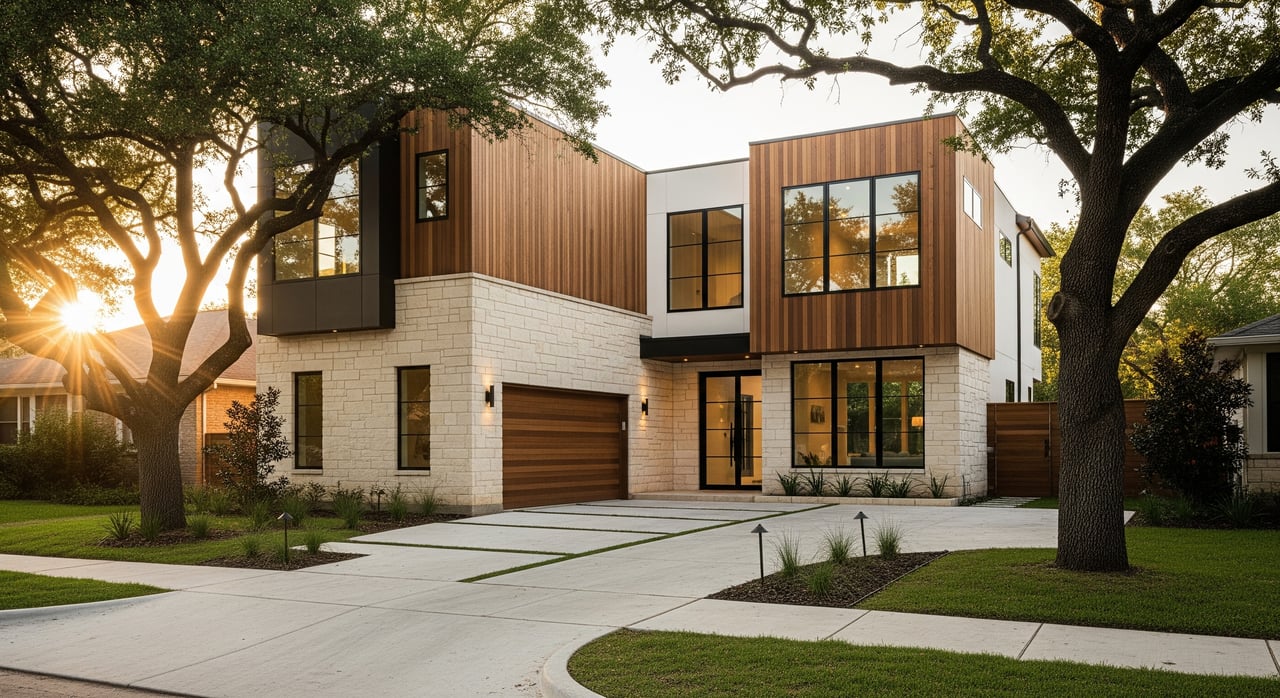
Infill housing is new residential construction built on vacant, underused, or redeveloped parcels inside existing neighborhoods. Think of a single new house replacing an older one, two or three townhomes where one large lot used to sit, or a small apartment building added to a block of single-family homes. In Houston, common infill types include narrow-lot single-family homes, townhomes, duplexes, and small multifamily buildings.
Houston stands out because development is guided by subdivision rules and deed restrictions rather than traditional zoning. That environment allows a range of designs and lot layouts that you might not see in other cities. Since the 2010s, many Inner Loop neighborhoods and corridors near Downtown have seen steady teardowns, renovations, and small-scale multifamily projects.
Why Houston sees so much infill
- Proximity to jobs and amenities raises demand near Downtown, the Texas Medical Center, universities, and entertainment districts.
- Existing streets and utilities make it cheaper to serve new residents than building far out on undeveloped land.
- Higher land values closer to the core make it profitable for builders to split lots or replace older homes with multiple units.
- Houston’s regulatory context, which relies on subdivision standards and deed restrictions, enables more varied infill than cities with strict zoning.
What changes on a block
Infill often starts with lot subdivision. Builders may split a larger lot into two or three smaller ones, which produces “skinnier” houses and tighter spacing. Setbacks can shrink, including zero-lot-line designs, and you may see irregular or flag lots to fit more homes.
You will also notice scale and facade changes. Taller, narrow homes and attached townhomes create more vertical street walls and smaller front yards than older bungalows. On some blocks, fewer street trees and more driveways make the street feel different than it did a decade ago.
Parking and walkability tradeoffs
Garage orientation shapes the sidewalk experience. Front-loaded garages with short driveways increase curb cuts and reduce open yard space. Where alleys exist, rear-loaded garages keep doors off the main street and can improve the pedestrian feel.
On-site parking per unit is often lower than in suburban subdivisions. This can increase demand for on-street spaces, especially on narrow streets. Walkability can improve if added residents support nearby shops and transit, but frequent driveways, narrow sidewalks, and limited shade can work against it. Taller buildings can add shade on hot days, though design and street trees matter for comfort.
Rules, permits, and flood risk
Inside Houston city limits, infill must meet subdivision standards, building codes, drainage rules, and any private deed restrictions. Outside Houston, city or county rules apply. In Stafford and greater Fort Bend County, review local permitting, drainage, and subdivision requirements before you buy or build.
Flood risk is a major consideration across the region. New construction often uses higher finished-floor elevations or on-site detention to meet floodplain rules. When you evaluate a property, check its FEMA flood zone, ask for an elevation certificate, and review any grading or drainage permits tied to the site.
A quick buyer checklist
At the property
- What type of project is it: new-build, teardown-and-rebuild, duplex, townhome, or small multifamily?
- How many units are now on the original lot, and what is the lot size compared to neighbors?
- How many on-site parking spaces are provided? Is the garage front-facing or alley-facing?
- Is the property in a mapped FEMA flood zone? Ask for the finished-floor elevation and any elevation certificate.
- Confirm building permits and final inspections. Unpermitted work can hurt resale and insurance.
- Review any deed restrictions or HOA rules. Make sure the current structure is allowed.
- Verify water and wastewater providers, meter sizes, and any recent infrastructure upgrades.
- Ask for insurance history, recent premiums, and whether flood insurance is required. Check expected property taxes after redevelopment.
On the block
- Are sidewalks continuous and in good condition, or broken up by curb cuts?
- Do street trees provide shade, and are front yards mostly green or paved for parking?
- How close are transit stops, parks, and daily-needs retail? Walk the route to time it.
- Visit at rush hour and in the evening to see congestion and on-street parking pressure.
- Look up local planning or permitting activity to see what other projects are coming.
- Talk to neighbors or the HOA about recent changes and quality-of-life impacts.
Red flags
- No permits or missing final inspections for major work
- Finished-floor elevation below local recommendations or property in a mapped floodway
- Persistent standing water or drainage issues after storms
- Narrow lot with a front-loaded garage that removes the front-yard buffer and strains street parking
- Repeated code violations by the builder or seller
- Lack of deed restrictions where neighbors expect consistency, which can be a pro or con
What this means for Stafford
You may not see as much infill inside Stafford city limits as you do inside the 610 Loop, but you will feel the effects. More housing near Downtown can shift demand and pricing across the region. Commute patterns may change as density grows along key corridors, which can influence traffic and transit decisions that affect Fort Bend County.
Investment pressure often follows major highways and transit routes. Keep an eye on corridor studies and public plans, since those shape where redevelopment and infrastructure upgrades may happen next. Regional flood and drainage policies also matter, because changes upstream can affect runoff and insurance costs downstream.
Helpful resources
- Explore City of Houston subdivision standards and permitting through the Planning & Development Department to understand how infill is reviewed inside Houston.
- Read Rice University’s Kinder Institute studies for context on growth, housing patterns, and redevelopment trends in greater Houston.
- Use the FEMA Flood Map Service Center to confirm flood zones and request elevation information.
- Check the Houston-Galveston Area Council for regional transportation and planning updates that influence commuting and corridor projects.
- For local Stafford and Fort Bend rules, review the City of Stafford and Fort Bend County sites for permitting and drainage guidance.
Resources with links:
- City of Houston Planning & Development resources City of Houston Planning & Development Department
- Regional research on Houston’s growth Rice University Kinder Institute
- Flood zone lookup and maps FEMA Flood Map Service Center
- Regional planning and transportation Houston-Galveston Area Council
- Fort Bend County regulations and services Fort Bend County official site
- City of Stafford local government and services City of Stafford official site
If you want a second set of eyes on an infill purchase or you need help navigating permits, drainage, or deed restrictions, our team is here. As a boutique firm that combines buyer and seller representation with entitlement coordination, feasibility and proforma modeling, development management, and full go-to-market sales, we can guide you from site selection through closing. Start the conversation with Kimberly Lane Properties.
FAQs
What is infill housing in Houston?
- Infill housing is new residential construction on vacant, underused, or redeveloped parcels within existing neighborhoods, such as townhomes or a new single home replacing an older one.
How does infill affect parking on my street?
- More units per lot and smaller on-site parking can increase demand for on-street spaces, especially with front-loaded garages and frequent driveways.
What should I check for flood risk at an infill home?
- Confirm the FEMA flood zone, ask for an elevation certificate, and review any drainage or grading permits tied to the site.
Do the rules differ between Houston and Stafford?
- Yes. Inside Houston, city subdivision and permitting rules apply, while in Stafford and Fort Bend County you follow local municipal and county standards.
How might Inner Loop infill impact Stafford homebuyers?
- Central-city growth can influence regional prices and commuting, and it may shape redevelopment and transportation investments along Fort Bend County corridors.