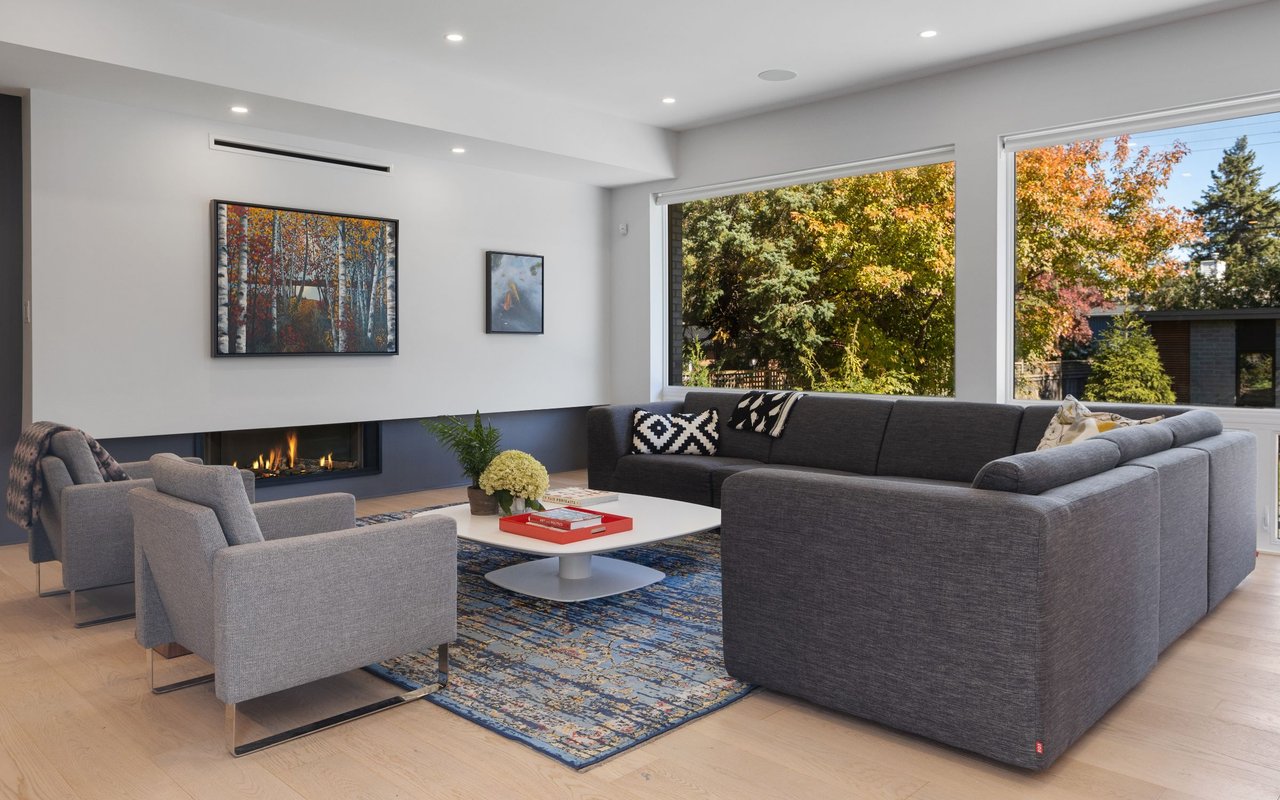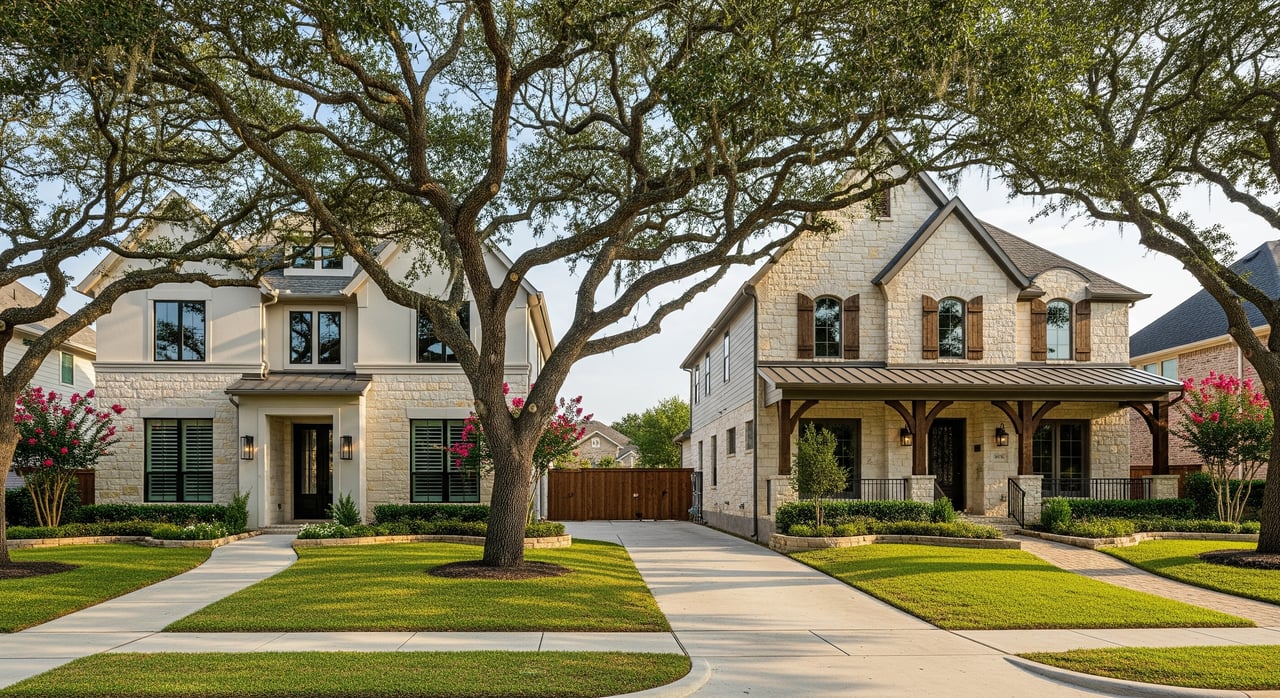
Trying to decide between a spec home and a custom build in Northwest Park? You want a home that fits your life, your budget, and a realistic timeline. The choice impacts how you finance the purchase, how long it takes to move in, and what happens if you sell later. In this guide, you’ll learn the key differences, local factors that matter in Northwest Houston, and a simple decision framework to help you pick the right path. Let’s dive in.
Spec vs custom: what they mean
Spec home
A spec (speculative) home is started by a builder before a buyer is attached. The builder selects the floor plan, lot, and most finishes. You typically choose from preset options and buy with a standard mortgage once the home is complete or near completion.
Custom home
A custom home is planned and built to your specifications. You pick the plan, materials, and features, often on a lot you own or purchase. The process includes design, permitting, and construction, and you’ll make decisions at each stage.
Key tradeoffs at a glance
- Speed: Spec is usually faster to move in. Custom takes longer due to design and permitting.
- Cost predictability: Spec offers clearer pricing. Custom has more variability and higher overrun risk.
- Design control: Custom gives you full control. Spec offers limited changes.
- Resale risk: Spec tends to match neighborhood norms. Custom can be a standout or a mismatch if over-improved.
Timeline in Northwest Park
If you want to move soon, spec often wins. For an inventory spec home, you can go from selection to closing in weeks. For a spec that is still finishing out, plan for about 3 to 6 months. If you contract before completion, add remaining build time, often another 3 to 6 months.
Custom builds take longer because you add design and permitting before construction. Design can take 1 to 4 months. Permitting can run 1 to 3 months, sometimes longer depending on reviews. Construction usually runs 6 to 12 months or more based on size and complexity. From decision to move-in, plan for about 9 to 18 months.
Jurisdiction affects the schedule in Northwest Park. Your lot may be inside the City of Houston, in unincorporated Harris County, or within a Municipal Utility District. Some subdivisions also have a developer or an architectural review committee. Each authority has different plan reviews, inspections, and utilities coordination. Confirm the process early so your timeline is realistic.
Financing: how each works
For spec homes, you can usually use a standard mortgage such as conventional, FHA, or VA once the certificate of occupancy and closing documents are ready. This is a good fit if you want a single loan at closing with a typical rate and payment schedule.
For custom homes, most buyers use a construction loan that converts to permanent financing. You may also see separate construction and mortgage loans. Construction loans often require 10 to 20 percent down depending on the lender and your profile. You make interest-only payments during construction. Funds are released in draws after inspections, and lenders require approved plans, a cost breakdown, and a contingency reserve.
Lenders commonly approve the builder. If you pursue a custom build, speak with a construction-experienced lender early. Plan for interest during construction and closing costs when the loan converts, unless you choose a one-time close.
Change orders and budget control
Spec homes limit changes. Structural or major system changes are rare once the home is framed, though cosmetic upgrades may be offered at set prices. Because changes are minimal, schedules tend to hold.
Custom homes expect change orders. Each change should be documented with a written order, a price, and your signature. Changes can add cost, push the schedule, and affect other trades. Protect yourself with a contract that spells out pricing (time and materials or fixed), deadlines for decisions, and how schedule extensions are handled.
Plan a contingency that fits the build type. For a custom home, set aside 10 to 20 percent of the estimated construction cost for owner changes and unforeseen conditions. For a spec purchase, a smaller contingency around 5 percent of the price can cover minor updates and immediate fixes after move-in.
Warranties and inspections
Most builders follow a common warranty structure. Expect one year of coverage for workmanship and materials, two years for major systems such as HVAC, plumbing, and electrical, and ten years for major structural defects. Always check the contract for exact terms, exclusions, and whether the warranty transfers to a future buyer.
Ask how to submit claims, expected response times, and whether warranty service is handled by the builder or a third-party provider. No matter which path you take, hire an independent home inspector for a thorough review before closing and at your final walk-through.
Resale and appraisal fit
Spec homes are usually designed to align with local preferences and nearby comps, which can make appraisal smoother. You are less likely to over-improve relative to neighbors if the builder follows the neighborhood finish level.
Custom homes can command premiums when features match what buyers want, but they can also be harder to appraise if they differ from recent sales. If resale in the near term is part of your plan, keep finishes within the neighborhood band. Document upgrades and warranties for appraisers and future buyers.
In Northwest Houston, buyers often value energy efficiency, outdoor living, and practical layouts. Proximity to major job centers and transportation routes, local amenities, HOA rules, and flood risk are important demand drivers. Keep those in mind as you balance design choices with future resale.
Northwest Park due diligence
Jurisdiction and permitting
First, confirm who permits your build. The lot may be under the City of Houston, Harris County, or a MUD. Some subdivisions also require developer or architectural review approvals. Each step can add time and fees. Align your schedule with the right authority so you do not hit avoidable delays.
Flood risk and elevation
Flood risk is a core local issue. Check if the lot sits in a mapped flood zone and whether base flood elevations apply. Ask for an elevation certificate if available. If the lot has risk, require flood mitigation steps in the plan such as a higher finished floor, proper drainage, or pier foundations. Flood status can affect insurance costs and resale.
Soils and foundation strategy
Expansive clay soils are common across the Houston area. For a custom build, a geotechnical report is strongly recommended and sometimes required by the lender. The soil study informs your foundation choice, which can include deeper piers, pier-and-beam, or over-excavation with structural fill. On spec homes in established subdivisions, developers often set standardized foundation designs based on area soil studies.
Utilities and MUD costs
Many Northwest Harris County neighborhoods rely on MUDs for water and sewer. Factor in impact fees, tap fees, and ongoing MUD tax rates. Confirm utility availability and any extensions needed for infill lots. Utility taps or extensions can influence schedule and cost.
A simple decision framework
Use this step-by-step process to match the build type to your goals.
Clarify your priorities:
- Timeline urgency. Need to move within months or can you wait 12 or more months?
- Design control. Must-have or nice-to-have?
- Budget rigidity. Fixed budget or flexible with a contingency?
- Resale horizon. Planning to sell in 0 to 3 years or 5 or more years?
- Lot control. Do you need a specific lot or will any lot in the area work?
Apply rules of thumb:
- Short timeline, short resale horizon, or preference for a conventional mortgage points to spec.
- Strong design needs, a unique site, or a long hold horizon points to custom if you can manage the complexity.
- Want personalization without the full custom process? Look at semi-custom or production builders with upgrade packages.
Budget and contingency:
- Spec: keep a contingency around 5 percent for small changes after closing.
- Custom: set aside 10 to 20 percent of construction cost for change orders and unknowns.
Financing triggers:
- If you do not want to manage a construction loan, focus on spec or near-complete inventory.
- For custom, talk to construction lenders early. Builder approval, plans, and a cost breakdown are usually required before funding.
Contract protections:
- Insist on an itemized base contract, a clear change order process, and defined schedule milestones.
- Ask about remedies or credits for significant delays.
- Confirm warranty terms and whether a third-party warranty provider is used.
Site readiness and due diligence:
- For custom: order a geotech report, review flood maps, confirm utilities, and get a topo if grading or retaining walls are likely.
- For spec: request disclosures on lot history, prior permits, and any neighborhood standards.
Decision cues:
- Want move-in soon with limited design needs and simple financing? Choose spec.
- Want a unique plan on a specific lot and accept a 12-plus month timeline with a construction loan? Go custom.
- Want faster delivery with some personalization? Consider semi-custom.
Questions to ask every builder
- How many homes have you completed in this neighborhood in the last three years? Can you share references and recent warranty logs?
- What warranty do you provide, for how long, and is it transferable?
- What is your change order process and typical markup on changes?
- Who manages permitting here and what are typical turnaround times?
- Is a geotechnical report included or required for this lot?
- How do you handle unforeseen site conditions and cost increases? Will this be in writing?
- For spec: what options can I still change before closing? For custom: what are the payment milestones and timeline triggers?
- Will my lender require builder approval or specific documentation for a construction loan?
Quick buyer checklist
Financing and inspections
- Confirm construction loan terms if building custom. Understand down payment, interest during construction, draw schedule, and conversion.
- Budget a 10 to 20 percent contingency for custom builds.
- Hire an independent inspector for your final walk and pre-closing review.
Resale and market fit
- Pull recent comps from the last 3 to 6 months for similar size and finish level.
- Review the HOA covenants and any architectural review requirements.
- Note nearby amenities, transportation access, and flood status. These drive demand and long-term costs.
Ready to choose your path?
You do not have to pick between speed and style without a plan. With a clear view of timeline, financing, change orders, warranties, and local due diligence, you can choose a spec or custom path that fits your life and future resale goals. If you want a partner that understands both brokerage and development, reach out to Kimberly Lane Properties to map your best next step.
FAQs
Which is cheaper up front in Northwest Park?
- Spec homes are typically cheaper per square foot due to standardized plans and builder purchasing power, while custom builds add design, premium selections, and site-specific costs.
How long will permitting take in Northwest Harris County?
- It varies by jurisdiction and plan complexity, so plan for several weeks to a few months and confirm with the City of Houston, Harris County, or your subdivision’s review board early.
Do I need a construction loan for a custom home?
- Most custom buyers use a construction-to-permanent loan or separate construction financing, which usually requires 10 to 20 percent down, interest-only payments, and lender-approved plans and builder.
How much should I budget for changes on a custom build?
- Set aside a contingency of 10 to 20 percent of the estimated construction cost for change orders and unforeseen site conditions, and about 5 percent for minor updates on a spec purchase.
Will a custom home appraise for my upgrade spend?
- Not always, because appraisals rely on comparable nearby sales, so keep finishes within the neighborhood range if near-term resale is important and document all upgrades for the appraiser.
Are there special flood or foundation concerns locally?
- Yes, flood risk and expansive clay soils are common here, so review flood maps, get an elevation certificate when available, and order a geotechnical report to inform the foundation design.