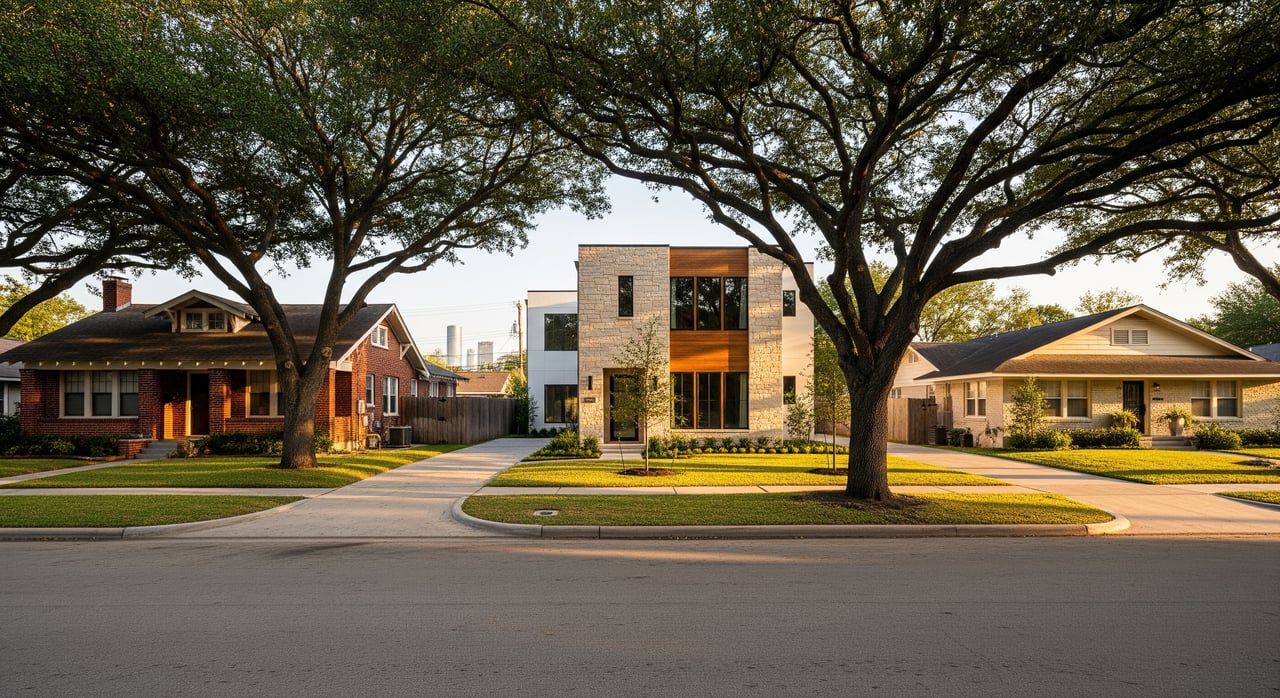
Heard that Houston has no zoning? If you are eyeing a home or small infill project in Northwest Park, that phrase can be misleading. You still face a web of rules that decide what you can build, how you build it, and even whether your deal pencils out. This guide breaks down what actually regulates land use in Houston, what to check in Northwest Park, and how to plan your project timeline and budget with fewer surprises. Let’s dive in.
What “no zoning” really means
You will not find a single citywide zoning map in Houston. That is true. But “no zoning” does not mean anything goes. Land use is shaped by a mix of public rules and private covenants that affect uses, density, setbacks, parking, drainage, and more.
For you, the practical takeaway is simple. Rules are layered and vary lot by lot. Your neighbor’s path may not match yours, and the same street can carry different restrictions depending on plats, deed covenants, or special ordinances.
What actually regulates land use
Below are the tools that often govern a Northwest Park purchase or build. Expect overlap. A private deed restriction can be stricter than any city rule, and floodplain controls can drive your design even if a use is otherwise allowed.
Plats and subdivision rules
Plats legally create lots and show streets, easements, and dedications. If you plan to split a lot, combine lots, or reconfigure boundaries, you will interact with the City’s subdivision process. Without an approved plat or replat you cannot legally create or sell certain lots, and you may be blocked from permits.
- Who handles it: The City of Houston Planning & Development Department. Approved plats are recorded with the Harris County Clerk.
- Why it matters: Plat notes and dedications limit what is buildable. Replatting can trigger public notice, city review, and potential right-of-way dedications.
Deed restrictions and private covenants
Deed restrictions are private rules recorded in the property’s chain of title. They can control permitted uses, setbacks, exterior materials, fencing, and more. In many established neighborhoods, these covenants are the hardest constraint you will face.
- Who enforces: Property owners’ associations, civic associations, or private owners in civil court. The City generally does not enforce these.
- Why it matters: A deed may bar multifamily, short-term rentals, or certain business uses even if the city would otherwise allow them.
Site-specific ordinances and special rules
Houston uses site-specific ordinances, often called Planned Development or PD ordinances, to set use or design rules for particular tracts. There are also overlay rules for historic or conservation areas and citywide standards like Houston’s townhome regulations.
- Who handles it: City Council sets these rules, and the Planning Department administers them.
- Why it matters: A property subject to a PD or overlay can carry unique, nonstandard requirements. Do not assume a uniform rule applies across the block.
Building codes, permits, and development standards
Even when a use is allowed, you must meet building codes and site standards. These include structural and life-safety codes, setbacks, lot coverage, parking counts, utility standards, and fire access.
- Who handles it: The Houston Permitting Center.
- Why it matters: Setbacks and coverage limits affect your footprint. Parking requirements can reduce unit count. Permit reviews add time and may require architectural and engineering plans.
Floodplain, drainage, and environmental controls
Floodplain rules are a central factor in Greater Houston. FEMA flood maps, local floodplain ordinances, and drainage or detention requirements shape building elevations and site design.
- Who handles it: The City administers floodplain permitting inside city limits. The Harris County Flood Control District influences regional drainage policy. FEMA sets the mapping that affects insurance.
- Why it matters: Flood zone designations can trigger elevation certificates, higher finished-floor elevations, and stormwater detention. For buyers, flood status can change mortgage and insurance costs. For builders, it can change feasibility.
Special districts and local management entities
Some properties sit inside Management Districts, TIRZs, MUDs, or PIDs. These districts can levy assessments, fund infrastructure, or establish design and streetscape programs.
- Why it matters: A district can add costs or set standards that affect your proforma and schedule. It can also bring infrastructure benefits.
Historic and conservation districts
Locally designated historic or conservation areas require review for exterior changes, demolition, and new construction. Design approvals ensure compatibility with neighborhood character.
- Who handles it: The City’s preservation staff and commission. Learn more on the City’s Historic Preservation page.
- Why it matters: Demolition or infill can be tightly controlled, which affects both schedule and design flexibility.
County and state regulatory interplay
Jurisdiction matters. Some properties are inside the City of Houston. Others nearby are in unincorporated Harris County or another municipality, which changes who reviews plats and permits.
- Action step: Confirm boundaries early. The Harris County Appraisal District can help you identify taxing and jurisdictional data tied to a parcel.
How this plays out in Northwest Park
Northwest Park and nearby neighborhoods often include older, platted subdivisions with recorded deed restrictions. Many lots are modest in size. Infill ideas like duplexes or townhome-style product often require replatting, variances, or careful use of the city’s townhome standards. Flood considerations can vary block by block, especially near bayous and channels.
Typical constraints to expect
- Deed restrictions: These can limit multiunit uses, require architectural review, or set fence and driveway rules. They frequently out-muscle city allowances.
- Plat limits: Easements and right-of-way dedications shrink buildable area. Lot splits usually require a replat.
- Flood and drainage: Floodplain status can trigger higher finished-floor elevations and detention, which affect cost and design.
- Permits and parking: Parking counts, setbacks, and life-safety standards can reduce unit yield on small lots.
Common goals, common obstacles
- Build a duplex or small multiunit on a single-family lot:
- Obstacles: deed restrictions, plat notes, required parking, and building code limits.
- Your move: Pull deed restrictions and the recorded plat, then meet with the City of Houston Planning & Development Department for concept feedback.
- Split a lot to increase yield:
- Obstacles: subdivision rules, minimum easements, possible right-of-way dedications, and neighborhood notice.
- Your move: Secure a current survey, review plat history, and consider a pre-application with Planning.
- Teardown and rebuild for a flip:
- Obstacles: historic review if applicable, tree and site standards, flood elevation requirements, and any HOA design approvals.
- Your move: Confirm demolition and building permit needs at the Houston Permitting Center and estimate added costs for elevation and drainage design.
Timeline expectations
- Early research: Title, deed restrictions, flood status, and surveys take days to two weeks depending on record access.
- Platting or PD approvals: Expect several weeks to a few months, more if issues trigger public hearings or revisions.
- Building permits: A standard single-family rebuild can take weeks to months based on plan quality and needed engineering.
Plan for contingency. Platting and permitting are the most common sources of delay in Northwest Houston infill.
Due diligence checklist
Work this list before you write an offer or finalize a project budget.
- Confirm jurisdiction
- Are you inside the City of Houston or in unincorporated Harris County? This changes the permitting authority and applicable codes.
- Pull core records
- Recorded plat and any replat from the Harris County Clerk.
- Full chain of title and all deed restrictions or covenants. Read use limits, design controls, and amendment rules.
- Current stamped survey.
- Any site-specific ordinances or PDs referenced in the legal description.
- Check permitting and physical constraints
- FEMA flood zone, local floodplain designation, and any elevation certificate. Verify using the FEMA Flood Map Service Center and City resources.
- City permitting history and any code issues via the Houston Permitting Center.
- Utility availability and potential off-site or on-site detention needs.
- Understand neighborhood context
- Contact the neighborhood civic association or HOA to understand how deed restrictions are enforced and how the community responds to replats.
- Check for any active historic or conservation initiatives on the City’s Historic Preservation pages.
- Engage the right professionals
- Land-use or title attorney for covenant interpretation.
- Local surveyor or civil engineer familiar with Houston platting and drainage.
- Architect or builder with Houston permitting experience and flood-elevation design know-how.
- Identify special districts
- Confirm whether the parcel sits in a Management District, TIRZ, PID, or MUD. The Harris County Appraisal District can help identify taxing entities tied to the property.
- Budget for contingencies
- Include time and cost buffers for replatting, variances, flood mitigation, or covenant disputes.
Where to get answers
- Plats, subdivision rules, concept reviews: City of Houston Planning & Development Department
- Building permits, life-safety codes, inspections: Houston Permitting Center
- Recorded plats, deeds, and covenants: Harris County Clerk
- Floodplain mapping and drainage context: Harris County Flood Control District and the FEMA Flood Map Service Center
- Jurisdiction and taxing district checks: Harris County Appraisal District
Work with a guide who knows the path
If you want to buy, sell, split a lot, or deliver a small infill project in Northwest Park, you need a team that can read plats, navigate covenants, and manage permit timelines. You also need investor-grade feasibility so your budget reflects the real rules on the ground. That is the difference between a good idea and a project that gets built and sold.
Our team combines residential brokerage, entitlement coordination, feasibility and proforma modeling, development management, and go-to-market sales. If you want a clear plan from site selection to disposition, book a strategy call with Kimberly Lane Properties.
FAQs
What does “no zoning” mean for a Northwest Park property?
- Houston lacks a citywide zoning map, but your property is still governed by plats, deed restrictions, permits, and floodplain rules that determine what you can build and how.
How do I find deed restrictions before I buy in Northwest Park?
- Pull the recorded chain of title and covenants from the Harris County Clerk and review them with a real estate attorney before finalizing your offer.
Can I split my lot or build townhomes in Northwest Park?
- Maybe, but it depends on deed restrictions, the recorded plat, and city development standards; lot splits usually need a replat reviewed by the City’s Planning Department.
How do I check flood risk and elevation requirements?
- Start with the FEMA Flood Map Service Center, then confirm local floodplain designations and elevation needs through the City’s permitting process and a qualified engineer.
Who approves my building permits in the City of Houston?
- The Houston Permitting Center manages permit intake and reviews for building, life safety, and site standards; outside city limits you would work with Harris County.